
Capacity planning
Part of the documented commercial engineering path.
Commercial EV solutions

Capacity planning
Part of the documented commercial engineering path.
Service upgrades
Part of the documented commercial engineering path.
Phased deployment
Part of the documented commercial engineering path.
Focus
Charger mix, circuiting, and site layout driven by actual usage goals instead of nominal charger counts alone.
Service, panel, and feeder capacity checks that expose upgrade risk before procurement and trenching start.
Permit and utility documentation that explains the electrical path clearly for reviewers and contractors.
Deliverables
Site power assessment with phased deployment logic for current and future charger counts.
Load calculations, panel schedules, one-lines, and equipment coordination for permit and construction teams.
Documentation support for service upgrades, transformer coordination, or utility-facing technical submissions.
Revision handling when charging strategy, equipment selection, or site conditions shift during review.
Best fit
Fleet yards and depots where dwell time and charging speed have to match operations.
Workplace, retail, and shared parking projects where future expansion matters on day one.
Sites with limited spare capacity or unclear existing distribution conditions.
Engagement flow
We start with vehicle counts, dwell time, charger mix, and operations so the electrical design supports the actual business case.
Capacity, service upgrade needs, and phasing options are mapped before the project gets boxed in by equipment assumptions.
We issue the documentation package and stay available when AHJ, utility, or site feedback changes the execution path.
Adjacent scopes

Engineer-led PV design for commercial sites with interconnection context, AHJ-ready documents, and revision support through approval.
Review service path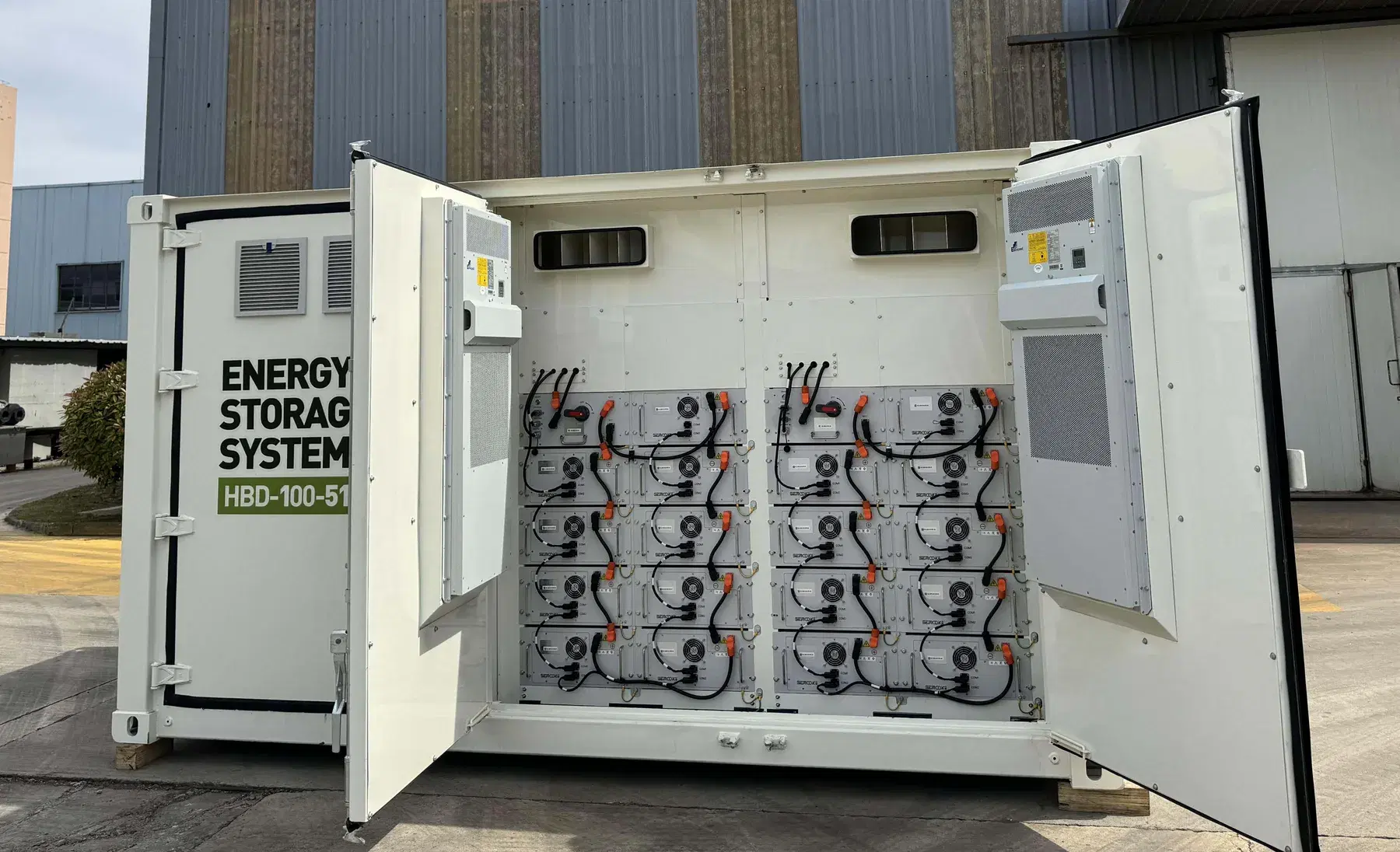
Commercial battery storage engineering for system architecture, controls coordination, permit packages, and approval closeout.
Review service pathNext step