
Solar + BESS + EV
Direct engineering support for mixed commercial energy projects and retrofit conditions.
Commercial engineering
Solar + BESS + EV
Direct engineering support for mixed commercial energy projects and retrofit conditions.
Custom-scoped
Commercial work is quoted against the actual technical path, not a generic checkout flow.
The same team stays attached through AHJ, utility, and field-driven comment cycles.
When teams bring us in
Solar, storage, EV charging, service upgrades, and existing facility loads interacting in one package.
Existing equipment, incomplete record drawings, or site constraints that make template-based engineering risky.
Projects where reviewer comments, utility coordination, or owner-side revisions need direct engineer continuity.
Commercial service paths

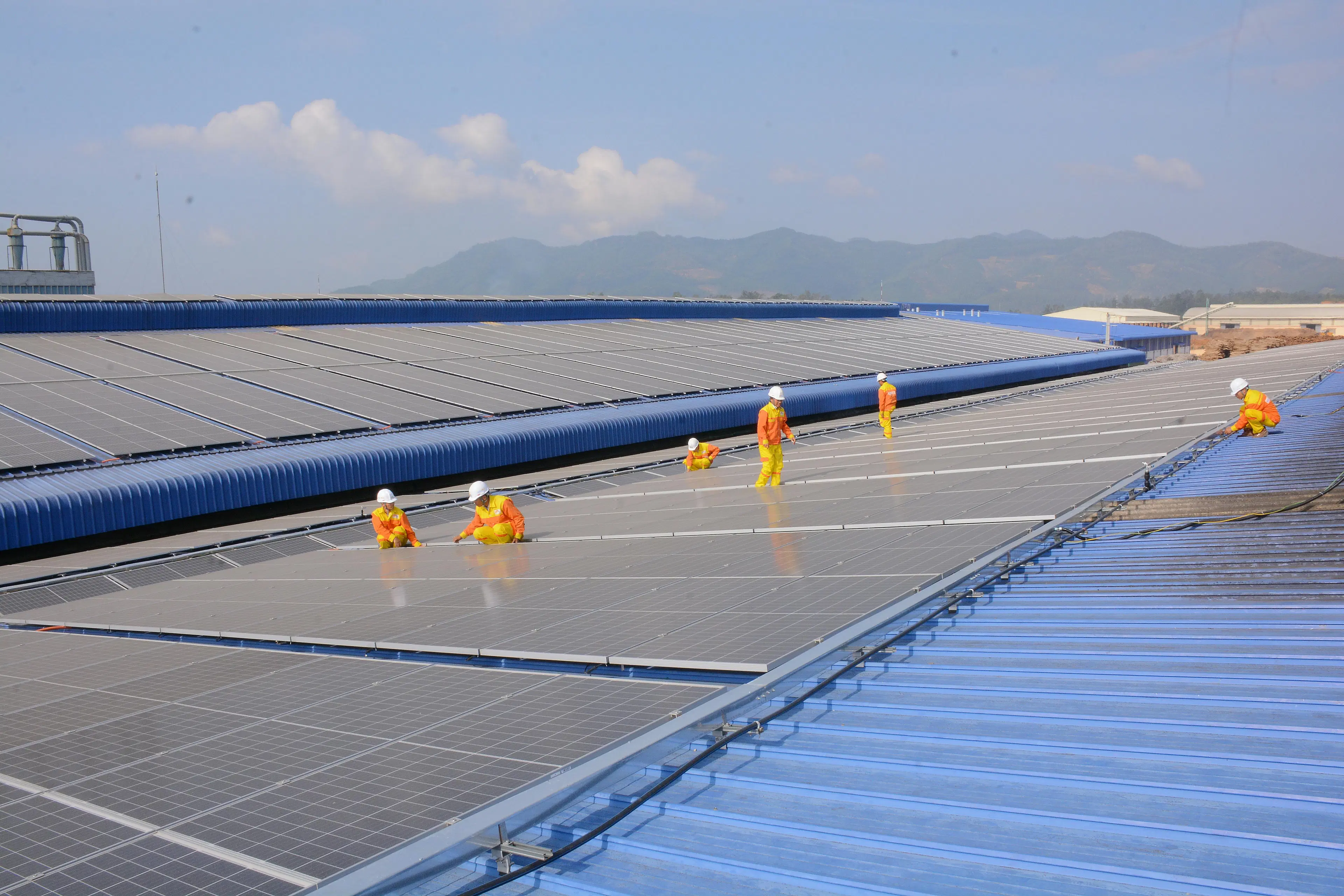
Commercial solar design
Engineer-led PV design for commercial sites with interconnection context, AHJ-ready documents, and revision support through approval.
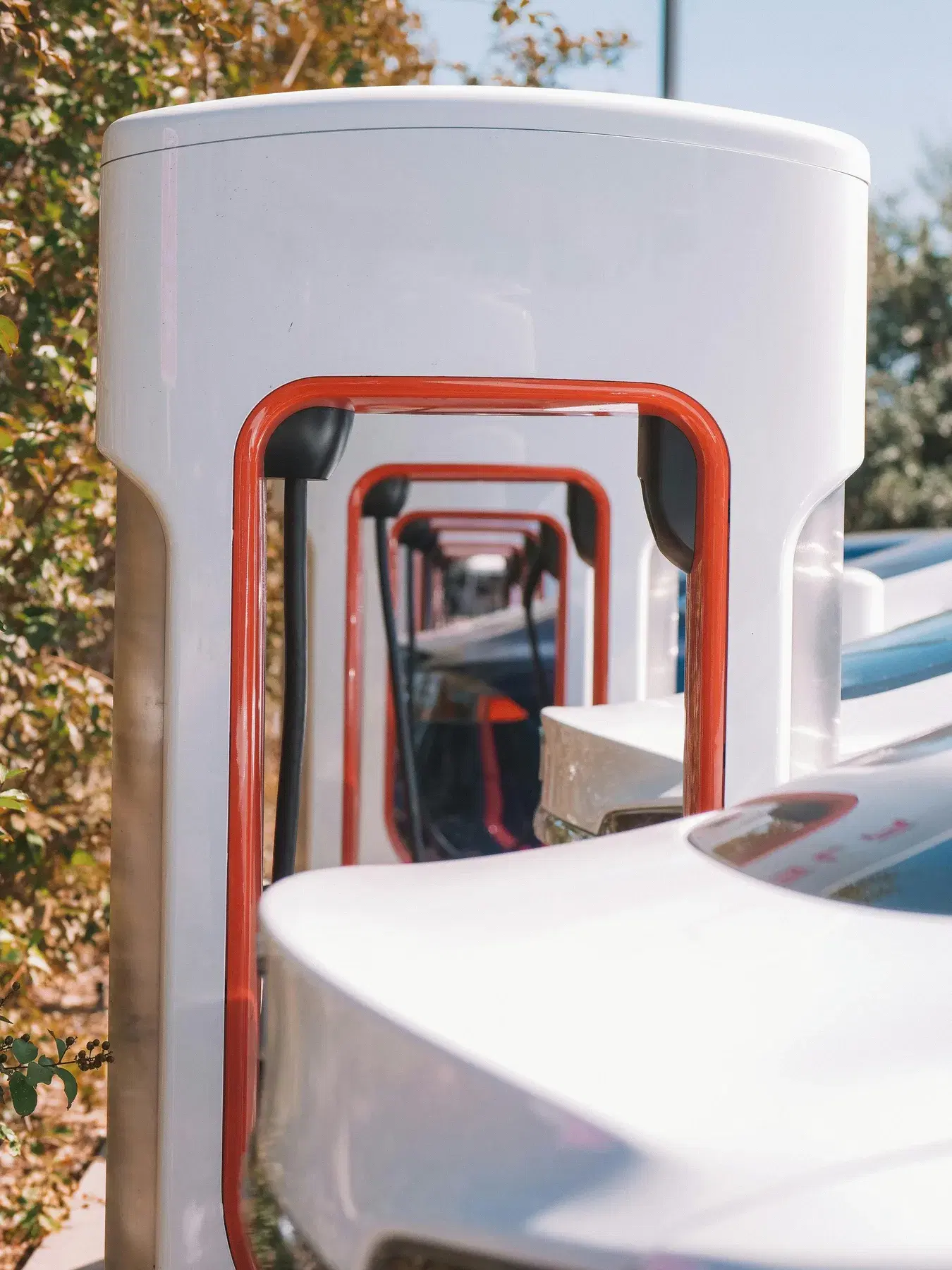
Commercial EV solutions
Commercial charging infrastructure engineering for capacity planning, service upgrades, phased deployment, and permit packages.
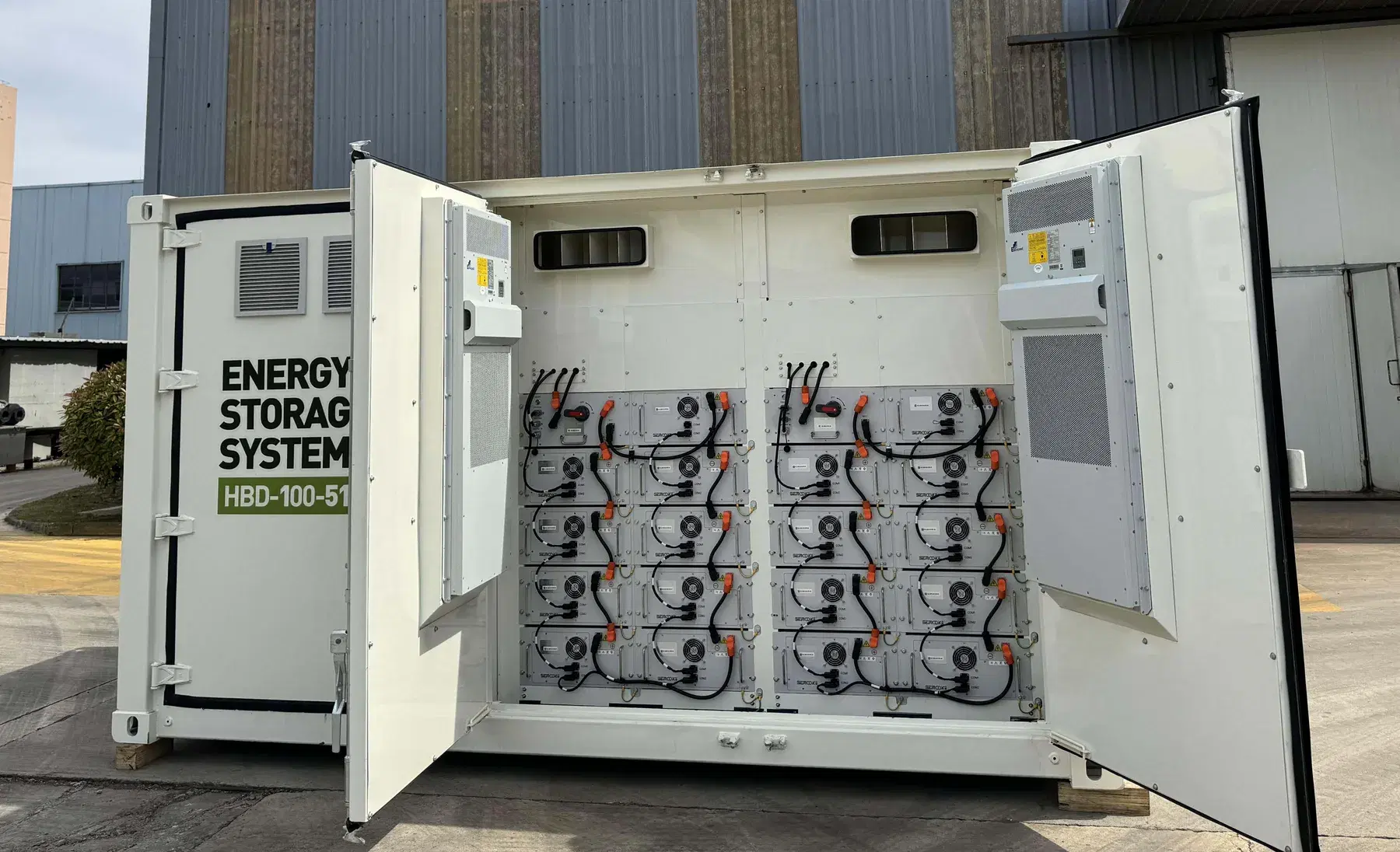
Commercial BESS battery services
Commercial battery storage engineering for system architecture, controls coordination, permit packages, and approval closeout.
Commercial intake
Site plans, aerials, or redlines showing the actual footprint and equipment intent are enough to start the scoping conversation.
Service information, one-lines, panel schedules, and utility notes help us identify the real bottlenecks faster.
Send correction notices, utility comments, owner constraints, or rough risk notes when they already exist.
How the engagement starts
We review the site, the missing information, and the approval path before we quote the engineering load.
Scope, documentation, and coordination are tied to the actual commercial job instead of a generic order flow.
When comments or field conditions change the picture, the same team stays attached to the decision path.
Custom-quote intake