
Residential storage
For projects where battery behavior and house load have to stay technically aligned.
Residential battery storage
Backup intent, service limits, and permit documentation drift apart when the operating goal was never defined cleanly.
We keep the power path coherent across load behavior, existing equipment, and the review path the project has to survive.
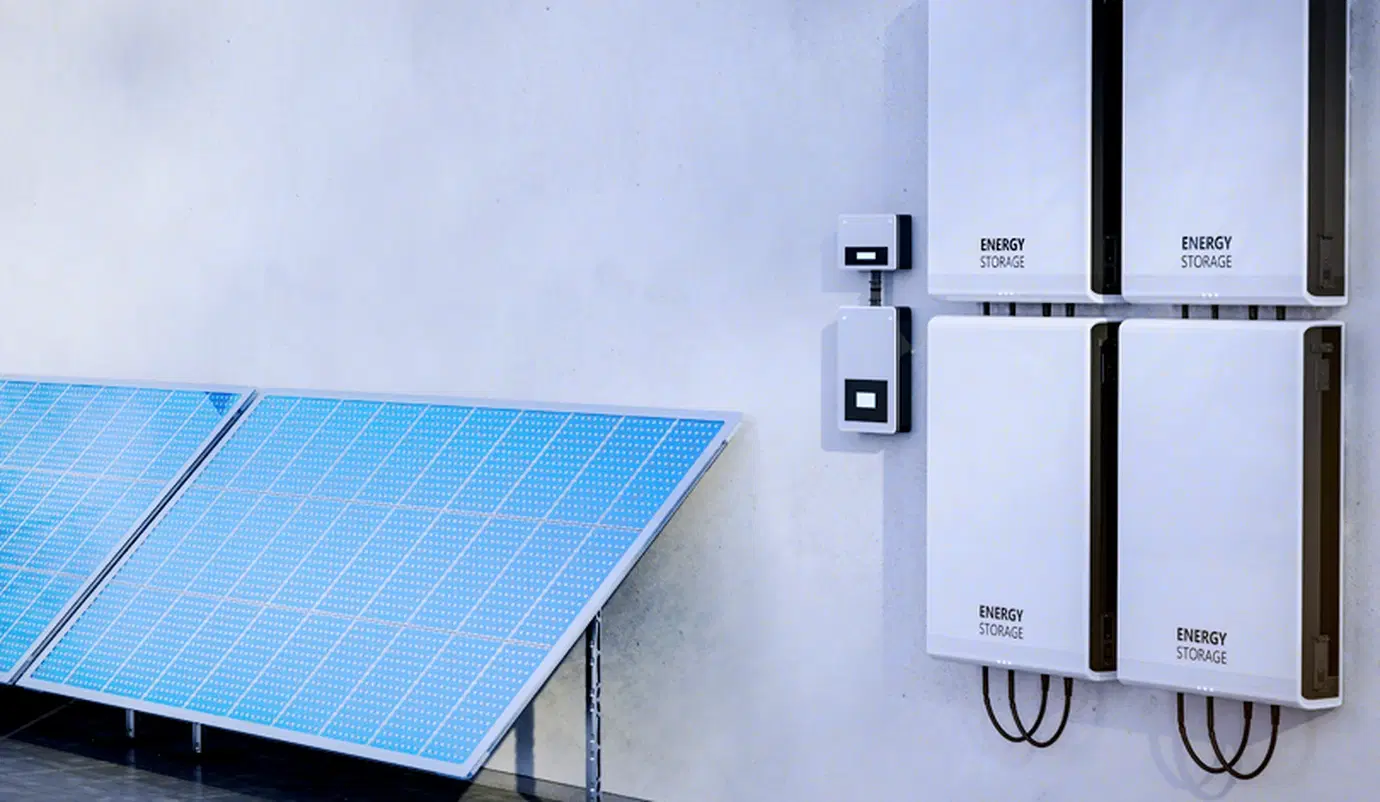
Residential storage
For projects where battery behavior and house load have to stay technically aligned.
Assumption drift
Storage scopes break when service, backup, and permit documents stop matching each other.
Revision support stays attached when AHJ, utility, or field conditions force the design to change.
Where this scope fits
Backup intent changes the engineering path, so the protected-load strategy has to be explicit.
Existing PV equipment and service conditions need to stay coherent with the storage design.
Critical-load subpanels, conductor paths, and protected circuits have to match the real house.
What the package covers
We size around the circuits that actually need to stay online, not a generic whole-home assumption.
Single-lines, conductor sizing, OCPD coordination, and equipment schedules are built for submission clarity.
Storage mode and export behavior have to be documented clearly when utility rules shape the scope.
AHJ comments, utility questions, and field changes stay attached to the same engineering context.
Engineering focus
Backup, self-consumption, and time-of-use storage paths start with the real load and operating goal.
Battery, inverter, and interconnection decisions stay tied to actual service equipment and site conditions.
Permit packages are built to survive AHJ and utility review cycles instead of only looking clean at issue one.
How it starts
Backup, load shifting, and solar-coupled storage do not share the same engineering path, so we start there.
We review service equipment, existing generation, and protected loads so the design works on the real house.
The job is not done at first issue. We stay on the design when reviewers or field conditions require updates.
Next step